When it comes to iPhones, the term “iOS” pops up more often than a cat meme on the internet. But what does it really mean? If you’ve ever found yourself scratching your head while scrolling through tech jargon, you’re not alone. iOS is the operating system that powers every sleek iPhone, making it the unsung hero behind those seamless swipes and taps.
Imagine iOS as the brain of your iPhone, orchestrating everything from your favorite apps to those irresistible notifications that keep you glued to your screen. Understanding iOS isn’t just for tech geeks; it’s for anyone who wants to unlock the full potential of their device. So buckle up as we dive into the fascinating world of iOS and discover why it’s the magic behind your smartphone experience.
Understanding iOS in iPhone
iOS serves as the operating system designed specifically for Apple devices, including iPhones. This operating system governs every aspect of an iPhone’s functionality. Users often engage with its intuitive interface, which enhances navigation and interaction.
Core features include a diverse app ecosystem, seamless integration with Apple’s hardware, and regular updates that improve security and performance. The App Store offers millions of applications, catering to various interests and needs, from social media platforms to productivity tools.
iOS focuses on user privacy and security. Built-in measures protect personal information, ensuring users feel safe while using their devices. Regular updates address vulnerabilities and enhance functionality.
Still, iOS isn’t just about apps and security. Features like Siri, Apple’s virtual assistant, offer voice-activated help for tasks, enhancing the hands-free experience. iOS also supports various accessibility features, making devices usable for individuals with different needs.
Customization options exist within the iOS framework. Users can arrange home screens, utilize widgets, and set notifications for a tailored experience. iCloud services allow for seamless data storage and synchronization across devices, ensuring accessibility wherever users are.
Compatibility with other Apple services enriches the user experience. The integration of iMessages, FaceTime, and AirDrop simplifies communication and file sharing. Through iOS, Apple has created a cohesive ecosystem that prioritizes user satisfaction.
This operating system represents Apple’s commitment to innovation and quality. By delivering powerful features and a user-friendly interface, iOS supports the goal of maximizing the iPhone experience for everyone.
The Meaning of iOS
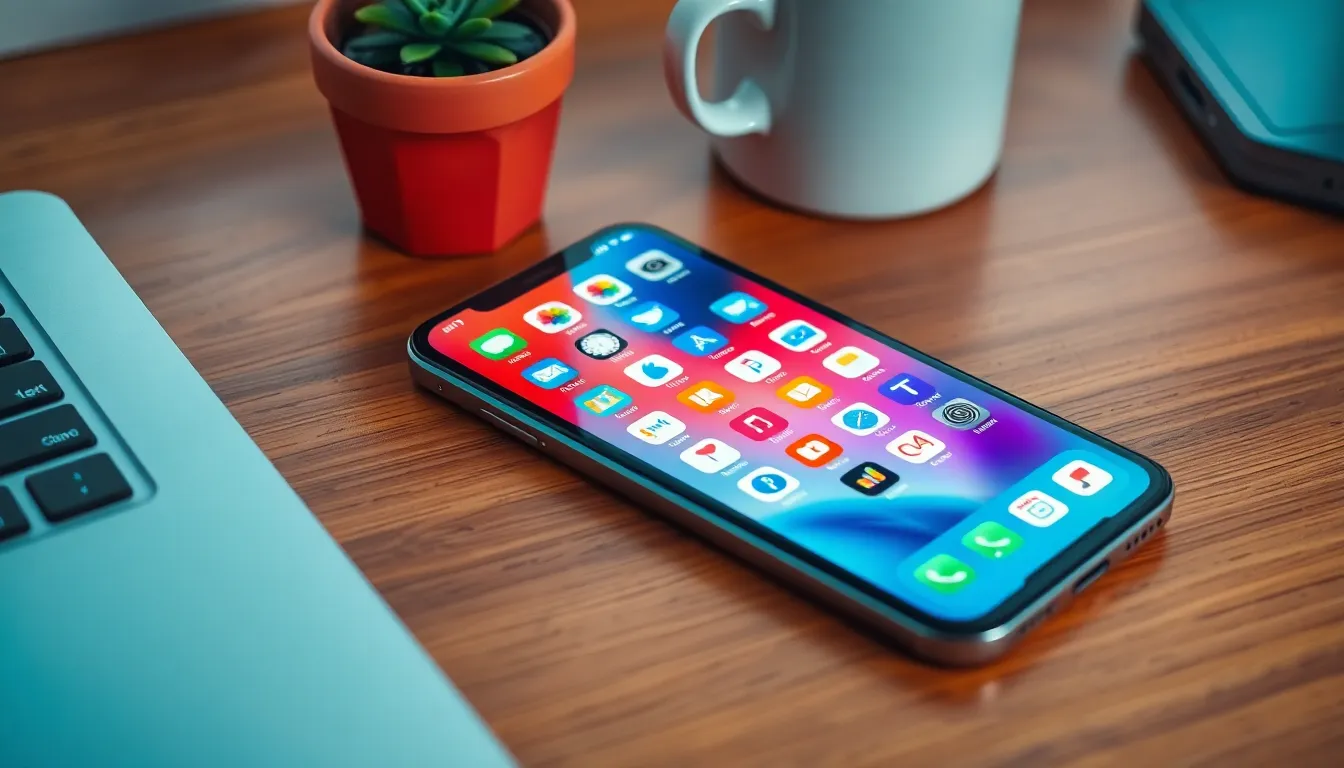
iOS stands for “iPhone Operating System.” This system is integral to the functionality of iPhones, and it dictates how users interact with their devices.
Origin of the Name
The name “iOS” originated when Apple aimed to define its mobile operating system distinctly from its desktop counterpart, macOS. The “i” prefix, commonly associated with Apple products like iPod and iPhone, signifies personal and internet connectivity. Introduced in 2007, iOS was designed to provide a streamlined experience for users, emphasizing mobile interaction and simplicity. Its evolution has consistently reflected Apple’s dedication to enhancing user convenience and technology integration.
Key Features of iOS
iOS offers multiple features that enhance the user experience on iPhones. An extensive app ecosystem exists through the App Store, granting access to millions of applications. Users benefit from seamless hardware integration with Apple devices, creating a cohesive environment. Regular software updates ensure improved security measures and optimized performance. Siri provides hands-free assistance, while accessibility features cater to the diverse needs of users. Customization options empower individuals to tailor their home screens and notifications, making their devices more personal. iCloud integration streamlines data storage and syncing across different Apple products, enriching overall usability and convenience.
Importance of iOS for iPhone Users
iOS plays a critical role in shaping the iPhone user’s experience. Its design ensures smooth operations and seamless functionalities across various tasks.
User Experience
User experience thrives on the intuitive interface that iOS provides. Navigation remains straightforward, enabling easy access to key features and settings. Features such as Control Center deliver quick settings adjustments, while the App Library organizes apps efficiently. Customization options cater to personal preferences, allowing users to modify their home screens and notification settings. Accessibility features enhance inclusivity, making devices usable for all individuals, regardless of ability. Regular software updates introduce new features and improvements, keeping the experience fresh and optimized.
App Ecosystem
The App Store hosts a vast array of applications catering to diverse interests and needs. Quality control remains high, as Apple reviews submissions to ensure functionality and security. Users can find apps for productivity, entertainment, and education among others. Frequent updates from developers enhance app performance, aligning with iOS updates. Integration with various functionalities like Siri and FaceTime improves user interaction with these applications. Developers benefit from a massive user base, making iOS an attractive platform for creating innovative solutions.
Latest Developments in iOS
Recent advancements in iOS focus on enhancing user experience and security. Apple introduced iOS 17 in September 2023, offering significant features tailored to users’ needs. The StandBy mode allows users to turn their iPhones into smart displays while charging, providing easy access to information at a glance.
Updates to Messages now feature improved stickers and the ability to leave video messages, promoting more engaging interactions. Enhanced lock screen customization options empower users to adjust aesthetics and functionality according to personal preferences.
Moreover, FaceTime gained new features like video effects and improved spatial audio, making conversations feel more lifelike. Privacy enhancements are ongoing, with features such as clearer app tracking transparencies boosting user confidence.
iOS 17 also introduces Live Voicemail, a functionality that allows users to see and respond to messages in real-time. App organization receives updates, too, with improved folder management and dynamic widget layouts, making navigation simpler.
In addition to new features, Apple’s commitment to system performance remains strong. Regular updates ensure stability and security, addressing vulnerabilities and optimizing functionality. Developers benefit from a robust App Store, which now highlights apps that prioritize user privacy, fostering a healthier ecosystem.
Integration of health and fitness tracking continues to improve, supporting users in various ways, from monitoring activity to managing health data. As innovation proceeds, iOS stands at the forefront of mobile technology, making smartphone interaction seamless and intuitive.
Understanding iOS is essential for anyone looking to make the most of their iPhone. This powerful operating system not only manages the device’s functionalities but also enhances the overall user experience through its intuitive design and robust features. With regular updates and a commitment to privacy and security, iOS continues to evolve, offering users innovative tools and seamless integration across their devices. As iOS advances, it reaffirms its position as a leader in mobile technology, ensuring that users stay connected and engaged in an ever-changing digital landscape.